Woman Cancels Prolia Prescription After Her Endocrinologist Sees What Happened to Her Bone Density in Six Months

She spent almost four thousand dollars on calcium over thirty years and her bones were worse than ever. Then a retired research nurse from Johns Hopkins asked her one question that changed everything. Here is her story, in her own words.
The moment my endocrinologist saw my six-month follow-up DEXA scan, she canceled my Prolia prescription and asked what I had been taking.
I just stared at her, confused. Taking? I had been taking everything.
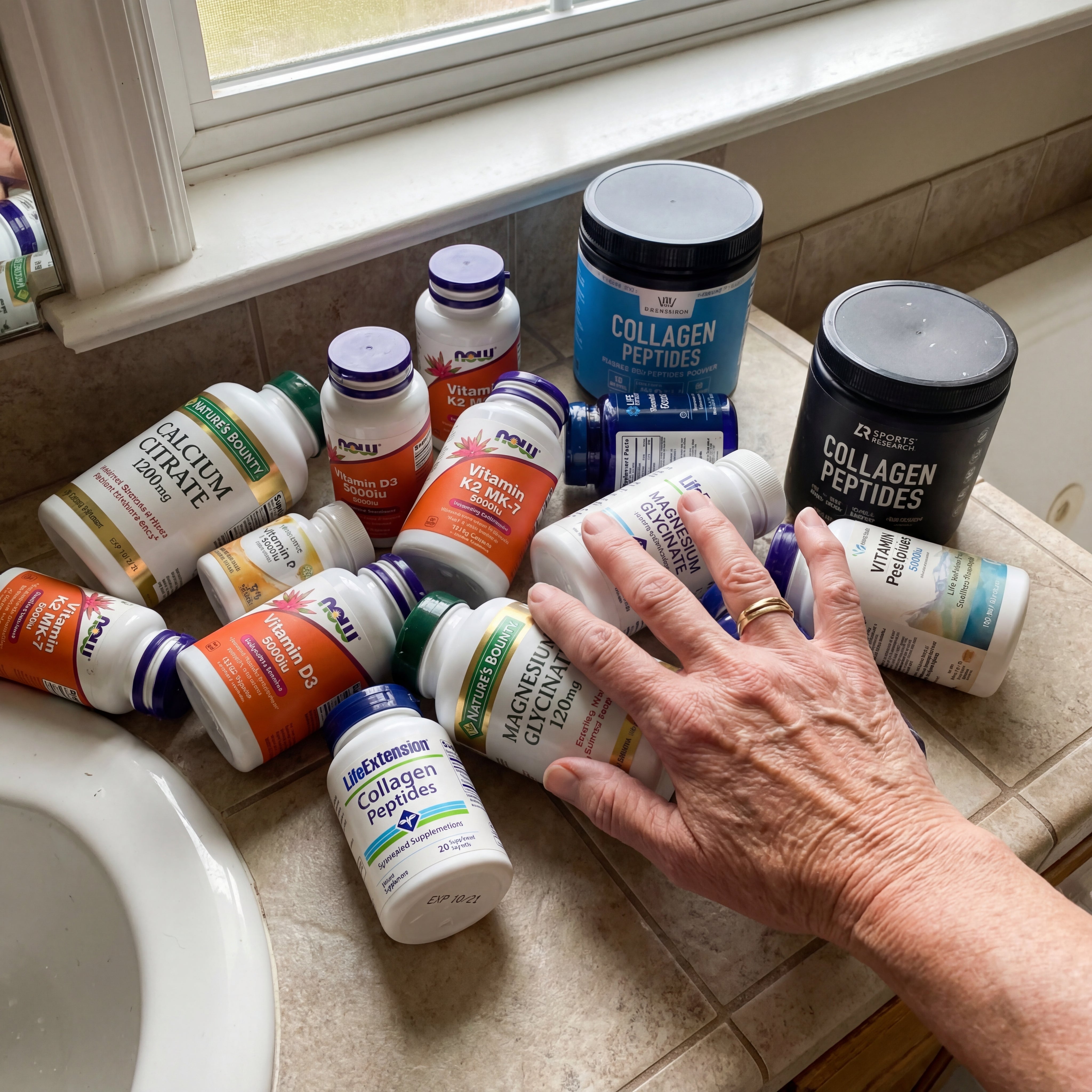
Calcium citrate, because I had read carbonate does not absorb well. Vitamin D3, not D2. K2 as MK-7 because that is the form that stays in your system longer. Magnesium glycinate at night. I was not guessing. I had spent months reading studies and comparing labels.
"Something changed. Your lumbar spine improved 11% in six months. Your hip improved 8%. That does not happen at 61."
If you have been taking calcium for years and your DEXA scores are still getting worse.
If you have tried citrate, AlgaeCal, D3, K2, magnesium and none of it made a difference.
If your doctors pushed Prolia or Fosamax and the side effects terrified you.
If you are watching yourself become your mother and nobody can explain why, you need to hear what happened next.
The Diagnosis That Changed Everything
Eight months earlier, my doctor had called with my DEXA results. "T-score negative 2.3 in your lumbar spine. That is osteoporosis."
I had been taking calcium since my thirties. A big chalky pill every morning for almost thirty years. "You need to increase your calcium to 1200 milligrams daily," she said. "And we should discuss hormone replacement therapy."
That night I researched HRT. The increased risks after age 60. Blood clots. Stroke. I was ten years past menopause, and the risks scared me more than the diagnosis. But the diagnosis terrified me enough.
My mother had her first fracture at 67. Broke her wrist reaching for a coffee cup. She was gone at 73, eighteen months after her hip fracture. The nursing home, watching her shrink into someone I did not recognize. I did not have much time left to fix this.
When Doing Everything Right Makes Things Worse
I spent that night googling alternatives to bone loss medications until my eyes burned. Strontium banned in some countries. Vitamin K that might help or might not. Forums full of women as scared as I was, all of us trading suggestions that did not work.
So I dug into the research. Not just what to take, but how it actually works in the body. Calcium citrate absorbs better than carbonate. D3 is the active form. K2 helps direct calcium to bones. MK-7 stays active longer.
I even tried AlgaeCal. The whole-food kind that is supposed to be better. Eighty dollars a month for four months. That is $320 gone. Between the calcium, the D3, the K2, the magnesium and the AlgaeCal, I was spending over $140 a month on supplements alone.
My next DEXA scan three months later? Worse.
The Question That Changed Everything
That is when I called my old friend Janet, a research nurse who had worked at Johns Hopkins for 22 years before she retired.
"Still taking all that calcium?" she asked after I explained. "Of course. The right form. Citrate. 1200 milligrams daily. Plus D3, K2, magnesium."
She was quiet for so long I thought we had been disconnected.
"Where do you think all that calcium is going?"
The Hidden Mechanism Doctors Do Not Learn
She explained it simply. Calcium is like a delivery truck. It needs directions. After menopause, when your estrogen drops, your bones lose the ability to direct that calcium where it needs to go. So it just dumps its load wherever. In your arteries, your kidneys, your soft tissues. Everywhere except your bones.
"You are not building stronger bones," she said. "You are calcifying everything else while your bones starve."
That is when I finally understood. The supplements were not wrong. The forms were not wrong. The mechanism was wrong. I was trying to fix a calcium problem when the real problem was estrogen.
K2 helps direct calcium, but only if your bones can respond to the signals. Without estrogen, they cannot. D increases absorption, which just means you absorb more calcium your body cannot use properly. I had optimized every variable except the one that actually mattered.
The Study That Has Been Published For Years
"I did not say nothing works," Janet said. "I said your bones need estrogen signaling. Have you ever heard of fulvic acid?"
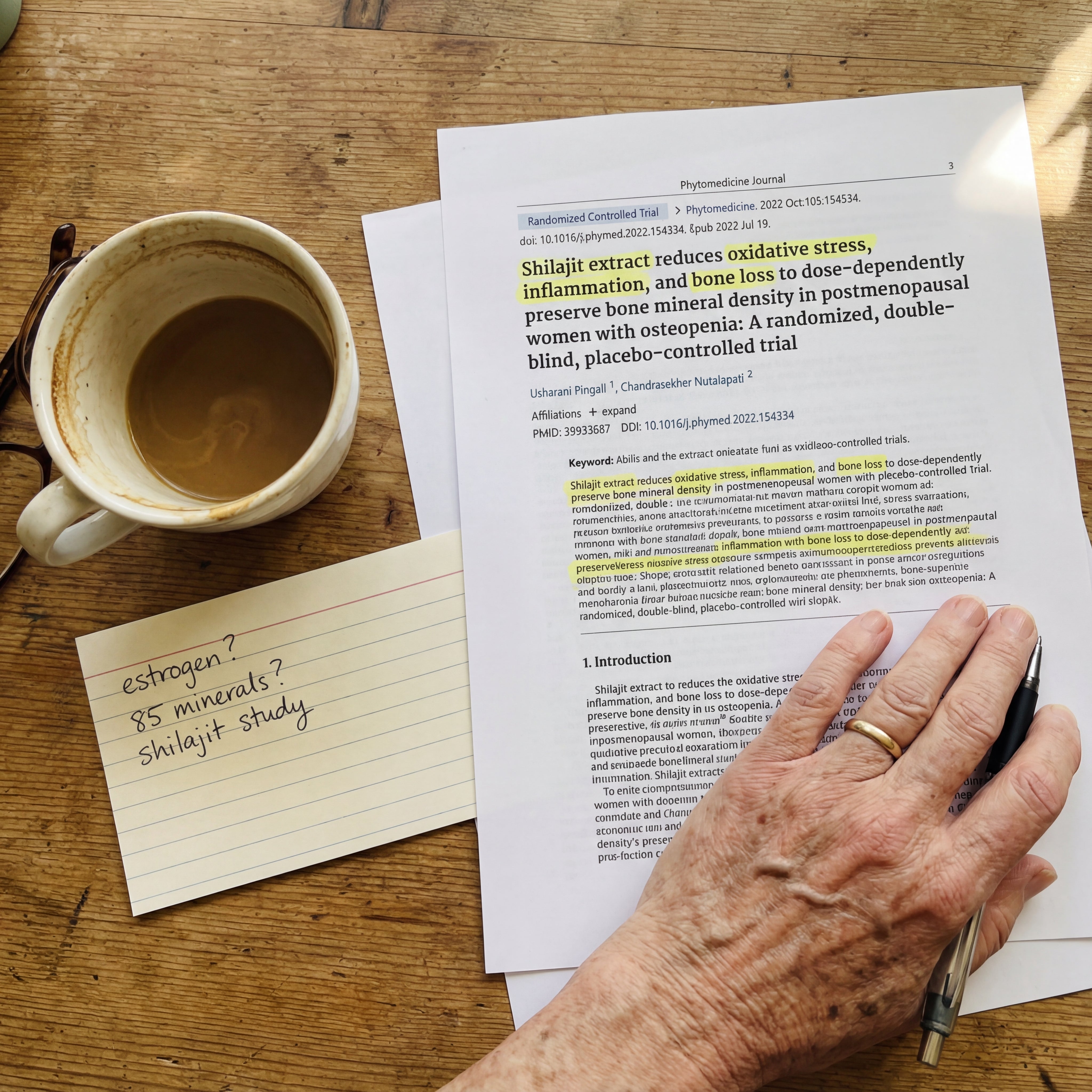
I had not. That night I could not sleep. I found a study on something called shilajit, pronounced shih-LAH-jeet. An ancient mineral resin studied at Indiana University, Ohio State, and medical institutes around the world. Scientists identified fulvic acid as the main active ingredient.
There is a clinical trial on postmenopausal women with osteopenia, published in Phytomedicine, a peer-reviewed medical journal. Forty-eight weeks. It naturally restored estrogen to healthy postmenopausal ranges. And with that estrogen restoration came actual improvements in bone density. Not maintained. Improved.
What Estrogen Actually Does Inside Your Bones
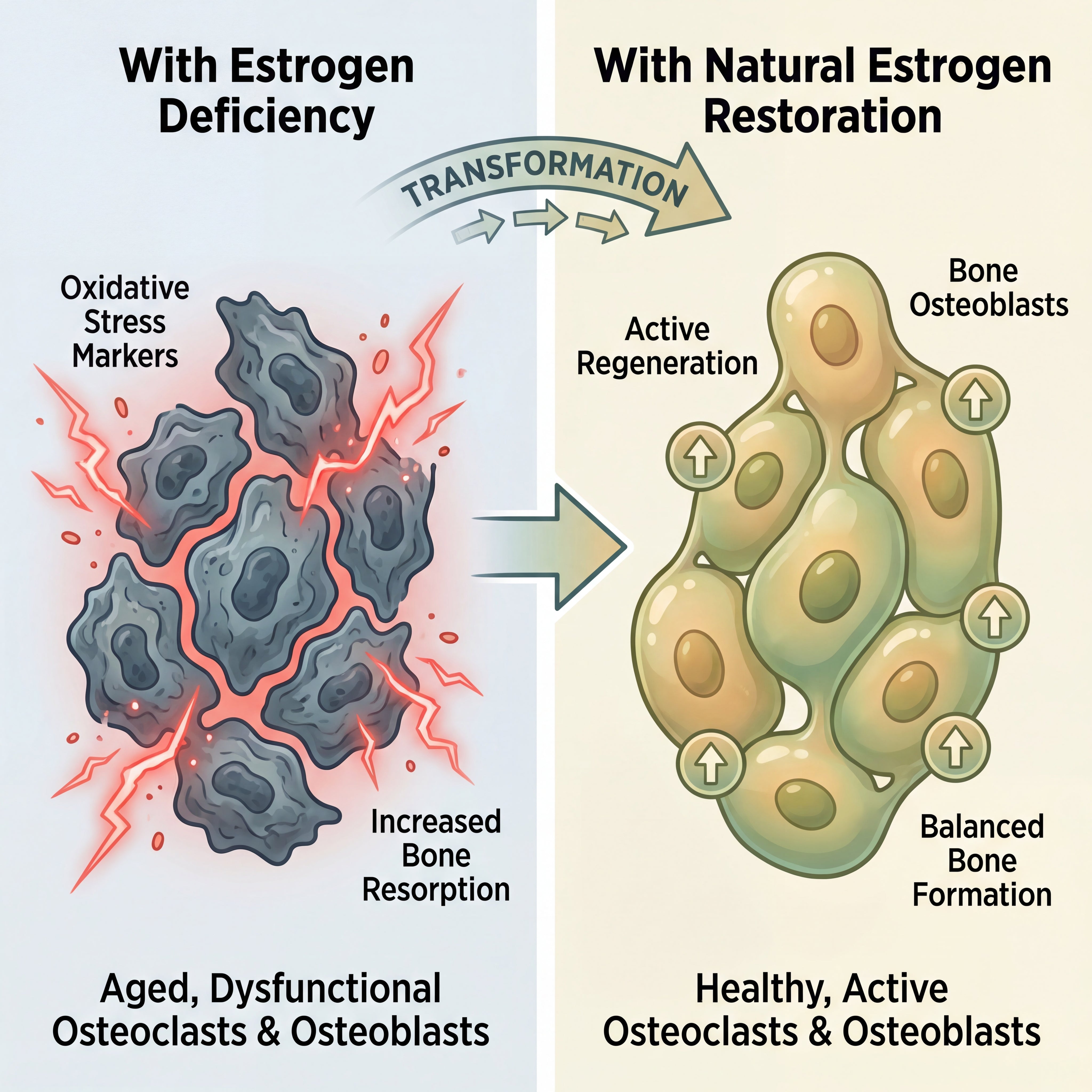
Your bones are constantly being torn down and rebuilt, every single day. Cells called osteoclasts break down old bone. Cells called osteoblasts build new bone behind them. When you are young, the two stay in balance and your skeleton replaces itself every ten years.
Estrogen is the master controller of that whole process. It tells the osteoclasts when to stop, tells the osteoblasts to keep building, and tells both where to put the calcium.
After menopause, that controller disappears. The osteoclasts keep tearing bone down, faster and faster. The osteoblasts slow down. And the calcium you swallow every morning shows up to a construction site with no foreman and no blueprint, so it dumps its load in your arteries and joints. That is not a calcium deficiency. That is an estrogen deficiency wearing a calcium mask.
But What About Breast Cancer?
It is the first question most women ask when they hear the word estrogen. And it should be. My sister had estrogen-positive breast cancer, so I was not about to touch anything near estrogen without being sure.
But there is a study where researchers tested shilajit directly on MCF-7 cells, the most common estrogen-receptor-positive breast cancer cell type used in research. It actually triggered the cancer cells to self-destruct while leaving healthy cells alone. I had to read it three times. It is a published, peer-reviewed study anyone can look up.

What Happened When I Found the Right Brand
Janet told me only three things matter. Purified resin, not powder, because the powder form destroys most of the fulvic acid in processing. At least 80% fulvic acid, which is what the clinical trials used. And independent third-party testing for heavy metals, because shilajit is harvested from high mountains and untested resin can carry lead or arsenic.
I looked on Amazon first, like everyone does. Powder capsules at 15 to 20 percent fulvic acid. Brands I had never heard of. No lab testing. Most of it failed all three of Janet's criteria.
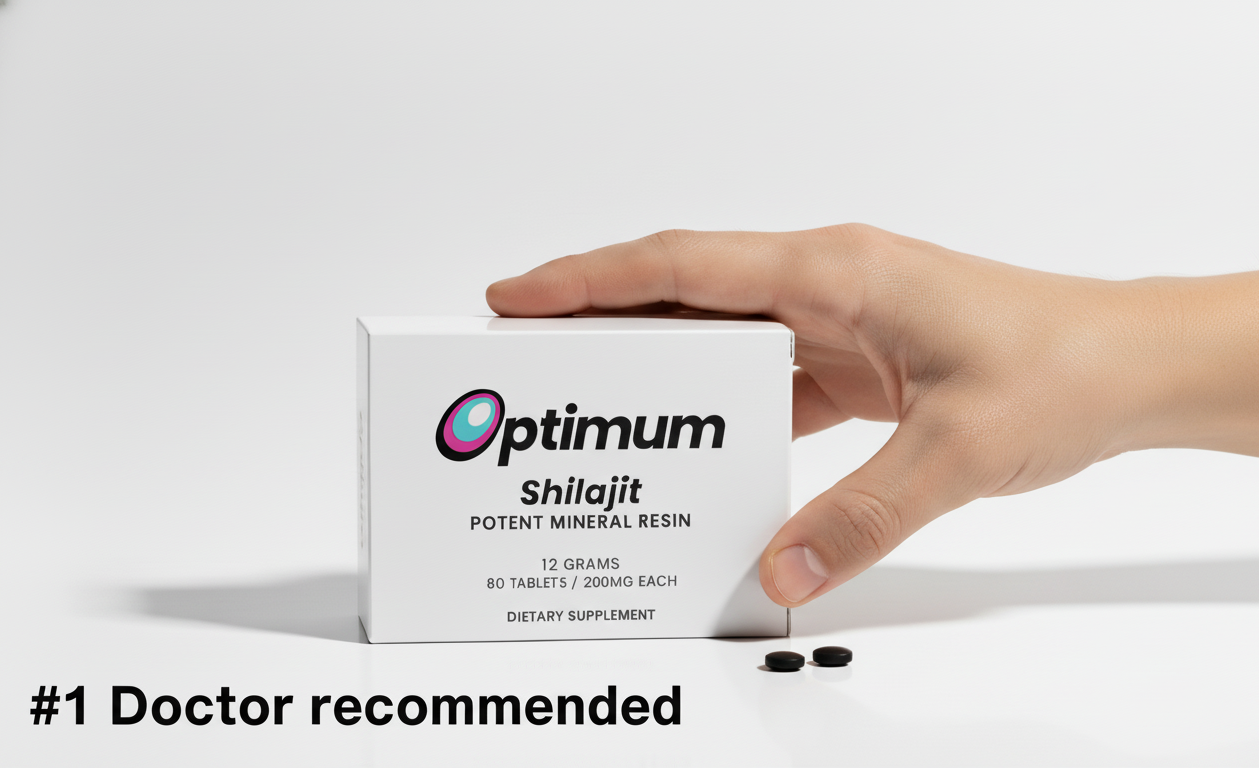
Then I found Optimum. 89% fulvic acid. Purified resin in tablet form. Dual-panel third-party testing for heavy metals and mycotoxins, results posted right on their site. Small tablets instead of giant calcium pills. Less than a dollar a day. It arrived in four days.
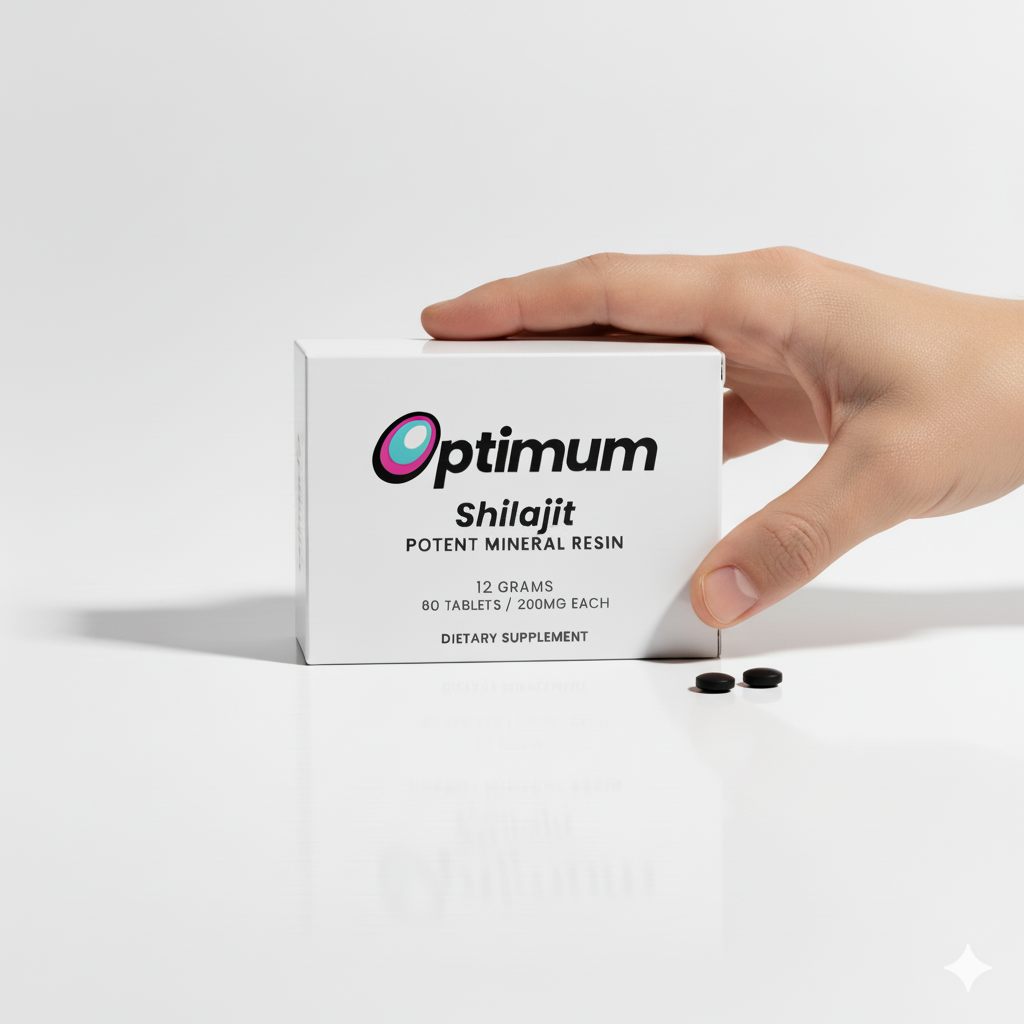
- Optimum Shilajit is sold only on the official site. Not on Amazon, GNC, or Walmart.
- The published trials used purified resin at high fulvic acid concentration, not powder. Most shilajit online is powder at 15 to 20 percent fulvic acid. Optimum is purified resin at 89%.
- Shilajit comes from the Altai mountains. Untested resin can carry lead or arsenic, the exact thing you are trying to keep out of your body. Every Optimum batch is dual-panel third-party tested for heavy metals and mycotoxins.
- If it is powder, low-concentration, or untested, it is not what the studies were done on.
I kept taking everything else. The calcium, the D3, the K2. Because now I understood what they are. Building materials. They were never the problem. I just finally had the missing piece that makes them work.
Week one, nothing. I almost sent it back. Week two, I realized I had slept through the night without joint pain. Week four, I went up my stairs normally, not one step at a time like a toddler. Week six, my daughter asked if I wanted to go for a walk and I said yes without thinking.
Month three, my grandson asked me to get down on the floor and build blocks with him, and I did it without even thinking about it. When we were done I stood right back up on my own, no hand on the coffee table, no counting to three first. Two years ago I would have made an excuse and hated myself for it.

Month five, I planted my entire vegetable garden. Four hours kneeling, standing, kneeling again. My husband watched from the kitchen window, shaking his head. The joint stiffness that had been creeping in was gone.

The Scan That Proved Everything
When I showed up for my six-month DEXA scan, my endocrinologist pulled up my original images, then the new ones, then the originals again. "This is remarkable," she said. "Your bone density increased. What changed?"
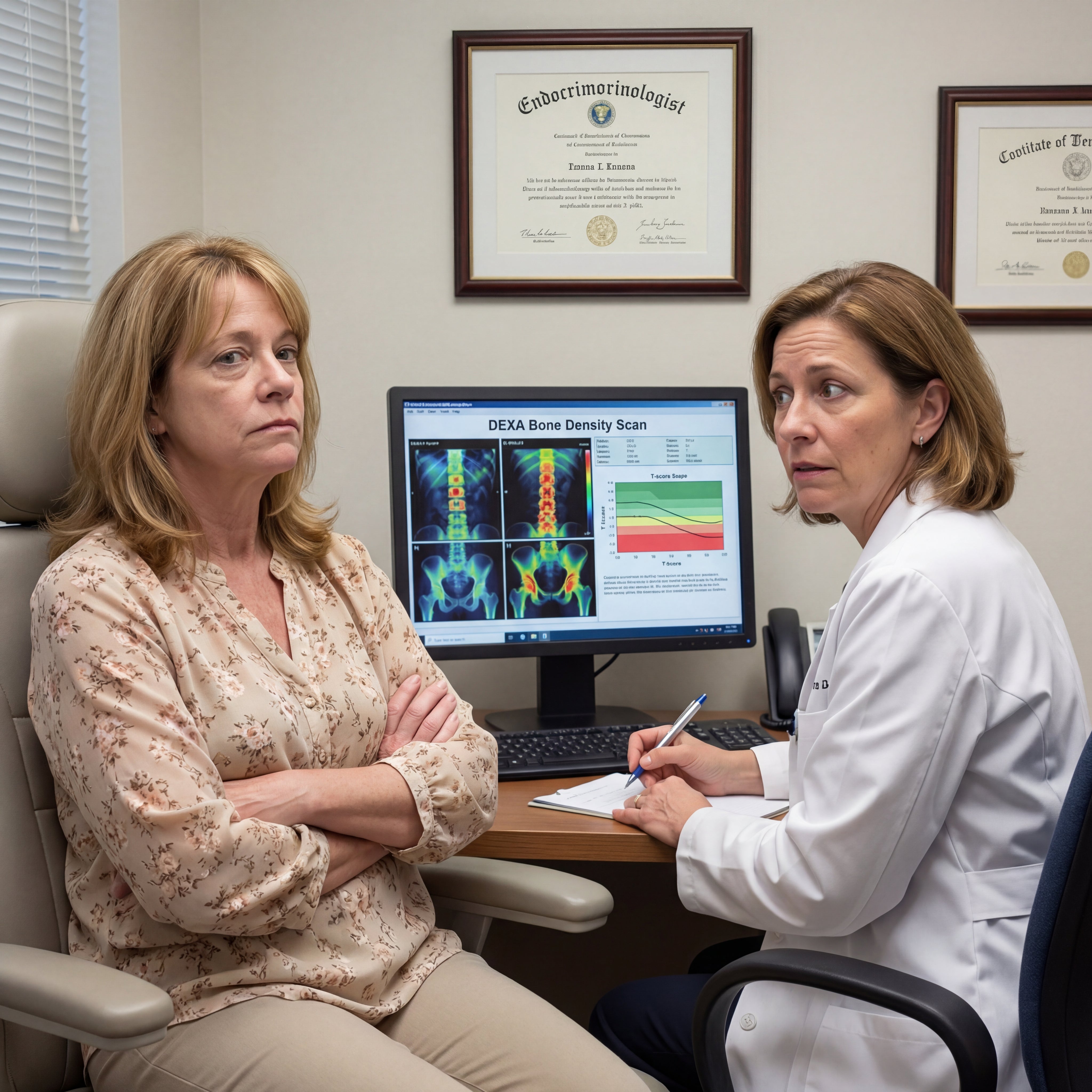
I told her everything. The late-night research. Janet's explanation. The shilajit that naturally restores estrogen signaling. She took notes. "Why did nobody tell me about this before?" I asked. "Calcium and vitamin D are the standard protocol. HRT for those who can tolerate the risks."
Standard protocol nearly cost me my independence. My future with my grandson. The fifteen good years I thought I had left.
Try Optimum Shilajit90 Days Risk-FreeWhy This Works When Everything Else Failed
Here is the honest comparison, the way Janet laid it out. Your bones do not need more calcium. They need the estrogen signal that tells them what to do with the calcium you are already taking.
| What you can take | Restores the estrogen signal | No prescription, no stroke risk |
|---|---|---|
| Calcium / D3 / K2 | ✗ | ✓ |
| AlgaeCal | ✗ | ✓ |
| Prolia / Fosamax | ✗ | ✗ |
| HRT | ✓ | ✗ |
| Optimum Shilajit | ✓ | ✓ |
Calcium, D and AlgaeCal are building materials, but without estrogen directing them they end up everywhere except your bones. Prolia and Fosamax slow bone loss by shutting down the cells that break bone down, but they do not build new bone, and if you stop, the loss can rebound worse than before. HRT restores estrogen and works for bone, but most doctors will not prescribe it ten years past menopause because of the risks. Shilajit restores the estrogen signaling pathway naturally, so your body does what it is supposed to do, and all that calcium finally has somewhere to go.
What They Are Not Telling You About "Normal Aging"
Bone loss after menopause is not inevitable. It feels inevitable because for thirty years the only advice anyone gave us was take more calcium. But calcium was never the problem. Estrogen was.
When you restore that estrogen signaling naturally, all the calcium you have faithfully taken for decades finally has somewhere to go. Your bones can rebuild. Not just slow their decline. Actually rebuild.
The Moment Everything Changed
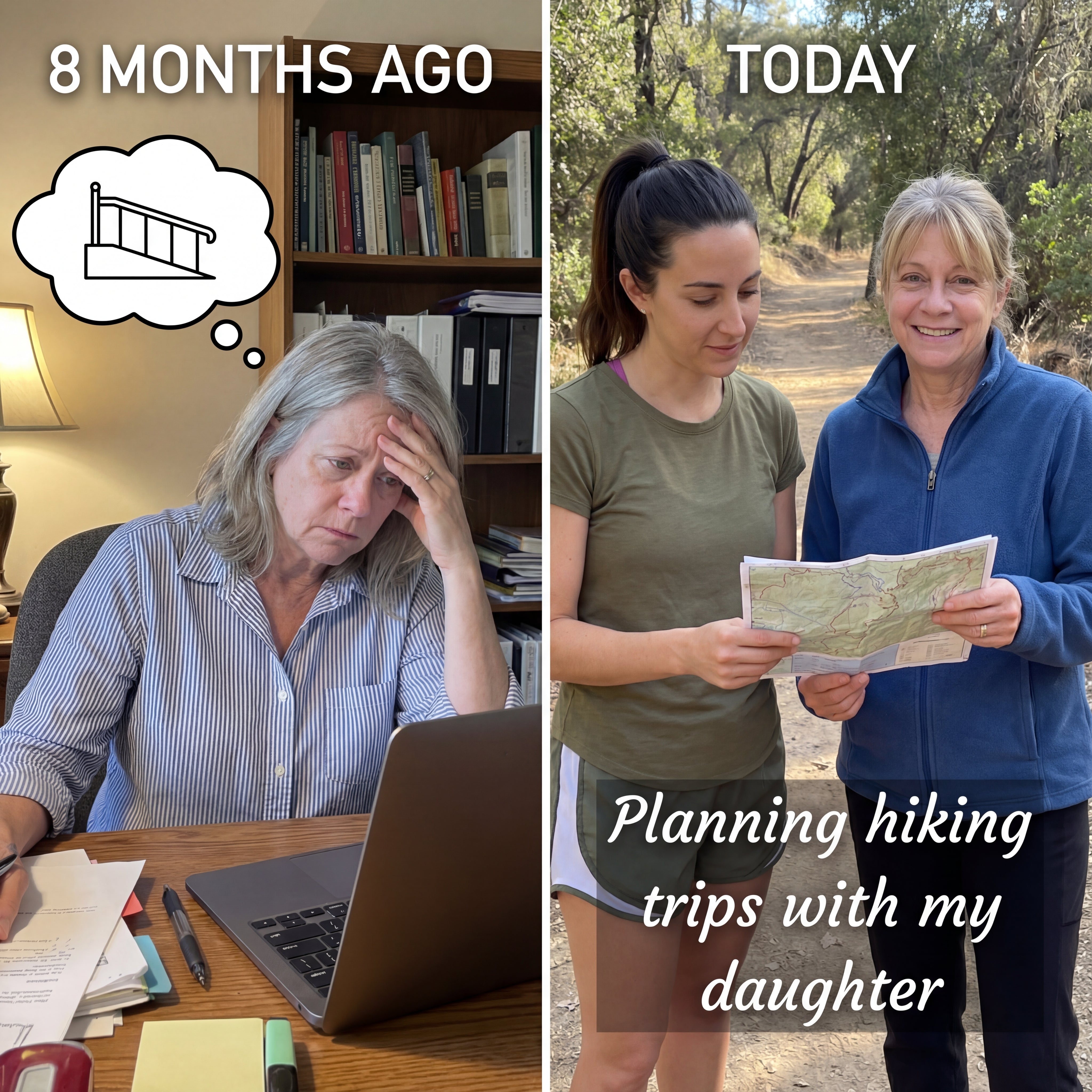
Last week my daughter asked if I wanted to go hiking at the state park. The trail with the lookout we used to do before Mom got sick. Two years ago I would have said no and felt my heart break a little. Last week, I said yes. We hiked three miles and I did not need to stop once.

On the drive home she said something that broke me. "I was so scared you were going to end up like Grandma." "Me too," I said. But I am not.
Real Women, Real Results



Where Can I Get Optimum Shilajit?
Optimum Shilajit is only available on the official website. Every batch is purified resin at 89% fulvic acid and dual-panel third-party tested for heavy metals and mycotoxins. It is not on Amazon and not at GNC, because they cannot control the quality on those shelves.
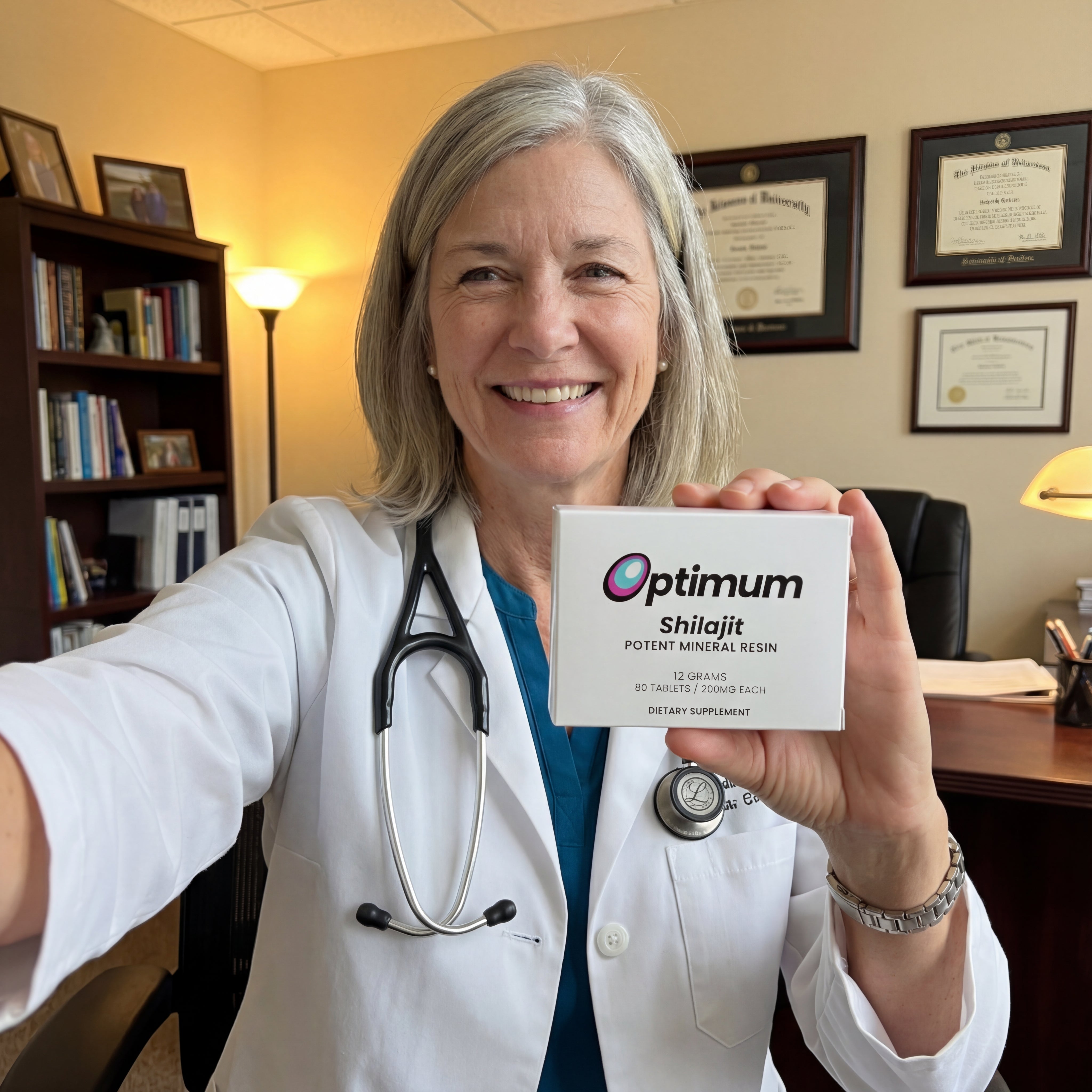
"I take off a fraction of a star only because so many of my patients told me they wished they had found this years earlier, before spending thousands on calcium that did not work. The DEXA improvements speak for themselves."
Every order is backed by a 90-day money-back guarantee. You either love your results, or you get a full refund. No questions asked.
Questions Women Ask Before They Start
Is this safe if I have a history of breast cancer in my family?
How long before I see a difference?
Can I keep taking my calcium and vitamin D?
How do I take it?
What if it does not work for me?
Dr. Norton has spent over two decades treating postmenopausal women with bone loss. She shares patient stories like this one to help women understand what is actually happening to their bones, and what can be done about it.